Protect and Enhance Your Deck: Professional Deck Staining Services You Can Trust
When it concerns caring for a deck, professional staining services offer a trustworthy option. These specialists understand the complexities of different wood types and local climates, ensuring superior care and aesthetics. By choosing experienced experts, homeowners can circumvent common errors and save important time. However, selecting the right service can be overwhelming. Recognizing what to identify is essential to achieving lasting results. The journey to a exquisitely finished deck commences here.
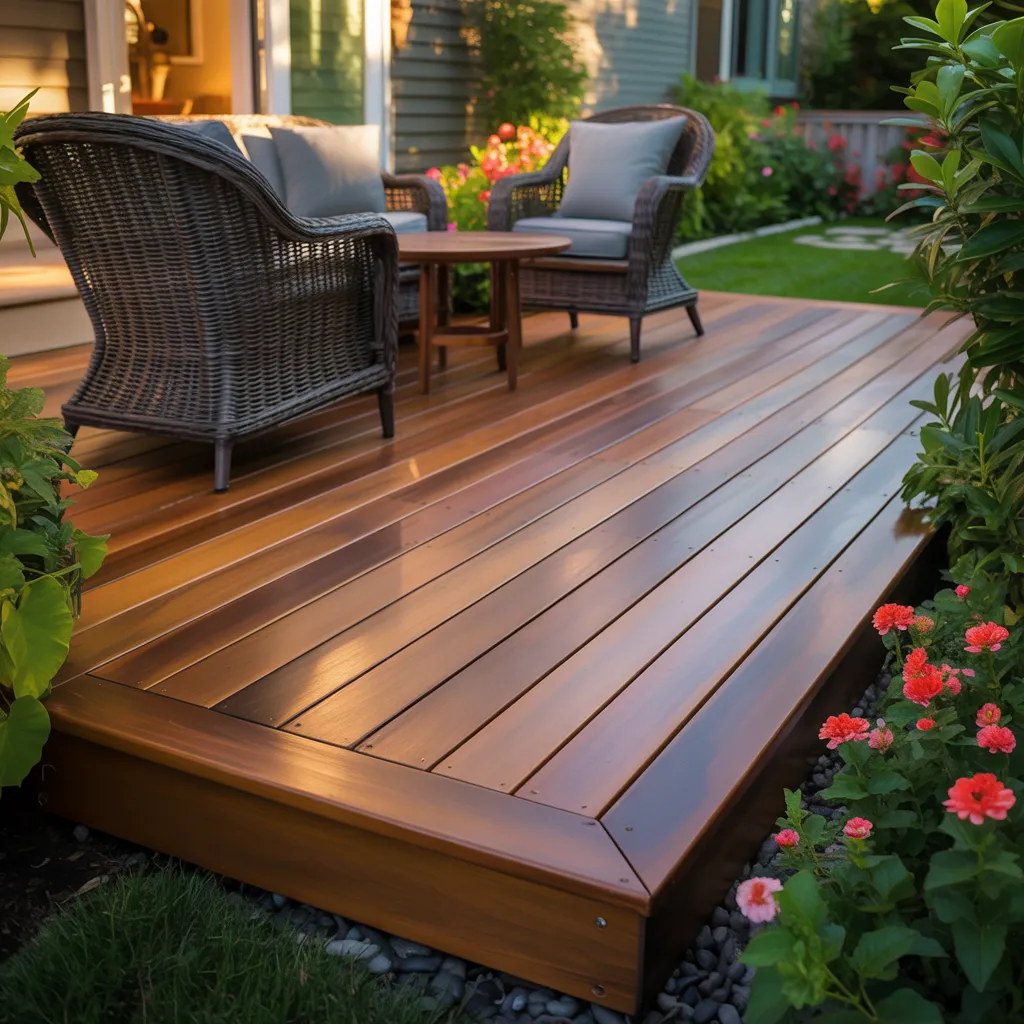
Reasons to Hire Experts for Deck Staining
When evaluating deck staining, homeowners often overlook the importance of hiring professionals. Engaging professionals guarantees a better finish, as they possess the adequate skills and experience to handle diverse wood types and conditions. Professionals understand the intricacies of selecting the right stain, taking into account factors like wood porosity and local climate. Furthermore, they have access to exclusive tools and equipment that make the process more effective and optimal.
Moreover, professionals can free up homeowners time and effort, letting them to concentrate on other priority responsibilities. They are also proficient regarding safety protocols, lowering the chance of problems during the staining application. By utilizing professionals, homeowners can obtain permanent outcomes that enhance their deck's appearance and longevity. Ultimately, the outlay in professional expertise can bring about a beautifully stained deck that not only looks appealing but also provides lasting protection against the elements for the long term.
Avoid These Common Deck Stain Application Mistakes Before You Start
Many homeowners make serious mistakes when it comes to staining decks, often leading to poor results. One common error is neglecting proper surface preparation. Failing to clean the deck properly can trap dirt and debris, preventing the stain from adhering well. Another error is choosing the wrong type of stain; opting for an oil-based stain on a surface that requires a water-based product can result in peeling and uneven coverage. Additionally, staining under direct sunlight is ill-advised, as it can cause the stain to dry too quickly, leading to blotches. Many overlook the importance of applying multiple thin coats instead of a single thick one, which can compromise durability. Finally, not allowing adequate drying time between coats can lead to issues with finish integrity. By avoiding these errors, residents can guarantee a more effective and long-lasting deck staining project.
Information About Staining a Deck
When evaluating deck staining, people can expect a thorough preparation process that involves surface cleaning to ensure ideal results. Following this, the staining process involves applying the chosen product evenly for a lasting finish. Understanding these steps can help set realistic expectations for the project.
Preparation and Surface Cleaning
corrected to avoid complications later. After cleaning, a last review is conducted to confirm that the surface is ready for staining, creating the conditions for a successful application that enhances the deck's appearance and protection.
The Staining Procedure Summary|Staining Method Breakdown|An Explanation to the Staining Process|Staining Process Basics|Learning about the Coloring Procedure
The deck coloring process proceeds through a series of well-defined steps that guarantee a smooth and effective result. At first, the professional team inspects the deck for any damage or areas requiring repair.|Initially, the expert team checks the deck for any damage or areas in need of repair.|At first, the professional team examines the deck for any damage or areas that need fixing.|Initially, the expert team reviews the deck for any problems or areas needing repair. Once the surface is ensured to be clear and dry, they choose a top-tier stain fitting for the wood type and preferred finish. Application begins with edging, followed by using a roller or spraying the stain evenly across the deck boards.|Applying the stain begins with edging, followed by rolling on or spraying the stain evenly over the deck boards.|Applying commences with edging, then roller application or spraying the stain evenly across the deck boards.|Applying the stain starts with edging, followed by using a roller or spraying on the stain evenly over the deck boards. They take care to avoid puddling and guarantee an even coverage. Once the first layer dries, an additional coat may be added for extra protection and richer color. Finally, the team provides guidance on drying times and maintenance, making sure the deck stays beautiful and well-protected for years to come.
Strategies for Selecting the Best Fit Deck Staining Service for Your Home
Picking the best deck staining service can seem overwhelming, particularly when so many options available. To choose wisely, residents should begin by exploring local companies and reviewing customer testimonials. A reputable service will have a portfolio highlighting their previous work, enabling potential clients to gauge style and quality.
Next, it's critical to inquire regarding the kinds of stains and protective sealers used, as well as the application methods utilized. This guarantees that the selected option corresponds with the homeowner's expectations for durability and aesthetics. Additionally, requesting various estimates can provide insight into pricing and value.
Finally, evaluate the company's experience and whether they provide guarantees for their work. Selecting a service with a solid standing and clear dialogue will ultimately lead to a more enjoyable deck staining experience. By adhering to these steps, homeowners can confidently choose a service that fulfills their needs and improves their outdoor space.
The Benefits of Using High-Quality Stains and Sealants
Choosing to invest in premium stains and sealants can considerably improve the lifespan and look of a deck. These superior products offer necessary protection against humidity, UV rays, and temperature variations, which can lead to wood twisting and decay over time. By forming a strong barrier, premium stains and sealants help to prevent mold and mildew growth, ensuring a cleaner surface that is less difficult to maintain.
Additionally, premium stains often contain color agents that amplify the wood's natural beauty, enriching hues and highlighting natural wood grain. This not only improves the aesthetic value but also adds value to the property. High-quality products typically deliver better adherence and longer-lasting results, minimizing the regularity of refinishing. At the end of the day, opting for these superior materials can generate substantial financial benefits in repair and upkeep expenses while preserving the deck's structural integrity and aesthetic charm. Investing in quality is a sensible investment for any property occupant aiming to preserve their exterior living area.
How Frequently Should You Re-Stain Your Wooden Deck?
How often should homeowners aim to re-stain their decks? Usually, it is recommended to re-stain a deck every two to three years, although several factors can influence this timing. The type of wood, climate conditions, and stain quality all have crucial roles in deciding the necessary frequency. In locations with harsh weather, like intense sunlight or heavy rain, more frequent re-staining may be required to protect the wood from damage. Homeowners should also look out for signs of wear, such as color fading or water absorption, which signal that the protective layer has lessened. Regular maintenance inspections can help in monitoring these conditions, ensuring that the deck remains in excellent shape. Ultimately, staying proactive about re-staining can prolong the deck’s lifespan and preserve its beauty, making it a sensible investment for homeowners.
Advice for Protecting Your Newly Sealed Deck Looking Great
To ensure a newly stained deck preserves its beauty and durability, homeowners should implement a few essential care routines. Frequent maintenance is vital; using a broom or leaf blower to remove debris prevents mold and mildew buildup. A gentle wash with soap and water can eliminate dirt without damaging the stain.
Homeowners must also avoid using strong chemical agents, as these can strip the finish. Instead, selecting a neutral pH cleaner will retain the finished stain.
Additionally, positioning mats at entrances minimizes dirt and moisture tracked onto the deck. This simple step can meaningfully prolong the life of the stain.
In conclusion, frequent assessments for signs of wear or fading allow for immediate upkeep, confirming the deck remains radiant and adequately protected. By following these directives, homeowners can delight in a stunning and resilient deck for a long time.
Frequently Requested Questions
How much time Does Deck Staining Typically Take to Finish?
Staining a deck typically requires one to two days to complete, influenced by the dimensions of the deck and atmospheric conditions. Sufficient prep work and cure time are critical for achieving ideal results and longevity of the coating.
May I Treat My Deck Following It Gets Rained On?
Applying stain to a deck right after rain should be avoided. The deck needs to be completely dry to guarantee adequate adhesion and absorption of the stain, typically needing a waiting period of 24 to 48 hours after rain.
What Groundwork Is Essential Before Treating My Deck?
Prior to staining a deck, you should thoroughly clean it, making sure all dirt and debris are removed. Allow the surface to dry completely and inspect for damage or loose boards that may require repair.
Do eco-friendly coating options exist?
Yes, several environmentally conscious coloring solutions can be found, featuring water-based finishes and see the full story those derived from botanical oils. These products reduce dangerous compounds, rendering them safer for the environment while reliably preserving and beautifying the appearance of the deck.
Does Staining Your Deck Inhibit Mold and Fungal Issues?
Using stain on a deck can greatly lower the threat of mold and mildew by forming a defensive barrier against water infiltration. This barrier helps maintain the wood dry, inhibiting the proliferation of unwanted fungi and ensuring longevity.